When temperatures drop across Monticello and Drew County, many drivers notice their brakes behaving differently. Squealing sounds appear during morning commutes, pedals feel spongy, or stopping distances seem longer than usual. While it’s easy to blame the cold, winter doesn’t cause brake problems; it exposes them. Cold weather, moisture, and seasonal driving conditions reveal underlying issues like worn brake pads, contaminated brake fluid, rusted hardware, and weakened components that were lurking beneath the surface.
At Strokers Diesel Performance & Repair, we specialize in comprehensive brake diagnostics that go beyond surface symptoms to identify the root cause of your braking concerns. Our team uses premium diagnostic tools, including Snap-On equipment to deliver the highest level of accurate and quality brake repairs without compromise, serving drivers throughout Monticello, Star City, McGehee, Dumas, Pine Bluff, and surrounding South Arkansas communities since 2005. Our owner brings over 30 years of automotive repair experience and is recognized industry-wide, being regularly invited to teach and speak at major automotive repair events.
Why Winter Exposes Hidden Brake Problems
Cold weather acts like a stress test for your braking system. Components that functioned adequately during warmer months suddenly reveal their weaknesses when temperatures plummet. This isn’t because winter creates new problems; it’s because cold air, moisture accumulation, and temperature fluctuations magnify existing wear and tear.
How Temperature Affects Brake Components
Brake systems rely on friction, hydraulics, and precise mechanical tolerances to function properly. When temperatures drop, several things happen simultaneously:
- Brake fluid contracts and its viscosity changes, which can expose moisture contamination that wasn’t noticeable in summer
- Metal components contract at different rates, revealing worn bushings, loose hardware, and corroded brake lines
- Rubber seals and hoses lose flexibility, making small leaks and cracks more apparent
- Brake pad material becomes harder, especially if pads are already worn thin or made from lower-quality compounds
Think of it like an old injury that acts up when the weather changes. The cold didn’t cause the injury, but it makes you aware that something needs attention.
Moisture and Corrosion in Winter Conditions
South Arkansas winters bring freeze-thaw cycles, morning condensation, and increased humidity. This moisture infiltrates your brake system through several pathways. Brake fluid is hygroscopic, meaning it naturally absorbs moisture from the air over time. When temperatures fluctuate between freezing and thawing, the absorbed moisture can create an inconsistent brake pedal feel and reduced stopping power.
Moisture also accelerates corrosion on brake rotors, calipers, and hardware. Surface rust on rotors creates the grinding or squealing sounds many drivers hear after their vehicle sits overnight. While light surface rust typically wears off after a few brake applications, deeper corrosion indicates components that need replacement.
Common Winter Brake Problems in Monticello and What They Mean
Understanding what your brakes are telling you helps distinguish between normal cold-weather behavior and genuine safety concerns that require immediate attention.
Squealing or Grinding Noises in Cold Weather
Morning brake noise is one of the most common winter complaints. Light squealing from surface rust is normal and typically disappears after a few stops. However, persistent grinding, metal-on-metal scraping, or loud squeaking throughout your drive indicates worn brake pads, damaged rotors, or seized caliper hardware.
At Strokers Diesel Performance & Repair, we use clinical diagnostics to determine whether noise comes from harmless surface conditions or dangerous component failure. Our inspection process examines pad thickness, rotor condition, caliper operation, and hardware integrity to give you accurate answers.
Spongy or Soft Brake Pedal Feel
A brake pedal that feels soft, spongy, or travels farther than usual before engaging signals moisture contamination in your brake fluid or air in the brake lines. As brake fluid absorbs moisture over time, its boiling point drops and its performance degrades. Cold temperatures make this contamination more noticeable because the fluid’s viscosity changes.
This isn’t just a comfort issue; contaminated brake fluid significantly reduces braking performance and can lead to complete brake failure under hard braking conditions. If your pedal feels different this winter compared to last, your brake fluid has likely reached its service life.
Vibration or Pulsation When Braking
Brake pedal pulsation or steering wheel vibration during braking indicates warped rotors or uneven pad deposits. Temperature cycling from winter driving conditions, repeated heating and cooling, accelerates rotor warping, especially on rotors that were already wearing unevenly.
Warped rotors don’t just create annoying vibrations. They reduce your vehicle’s ability to stop in a straight line and increase stopping distances, which is particularly dangerous on wet or icy South Arkansas roads.
Increased Stopping Distance
If your vehicle takes noticeably longer to stop this winter, several brake system issues could be responsible. Worn brake pads reduce the friction material available for stopping. Contaminated brake fluid compresses under pressure instead of transmitting force efficiently. Seized caliper pins prevent pads from making full contact with rotors.
Increased stopping distance is never normal and should be diagnosed immediately. What feels like a minor inconvenience in your driveway becomes a serious safety hazard when you need to stop quickly on South Arkansas highways or navigate Pine Bluff traffic.
Experiencing any of these winter brake symptoms? Don’t wait for a minor issue to become a major safety hazard. Call 870-224-4626 or visit us at 101 Doris Lawrence Rd, Monticello, AR 71655 to schedule your comprehensive brake inspection today.
The Role of Brake Fluid in Cold Weather Performance
Brake fluid is the hydraulic medium that converts your foot pressure on the pedal into stopping force at each wheel. Most drivers never think about brake fluid until winter performance issues force the conversation.
Why Brake Fluid Degrades Over Time
Brake fluid naturally absorbs moisture from the atmosphere through microscopic pores in rubber hoses and reservoir caps. As moisture content increases, the fluid’s boiling point drops dramatically. Fresh DOT 3 brake fluid has a dry boiling point around 401°F, but with just 3% water contamination, that drops to approximately 284°F.
Cold weather makes contaminated brake fluid more apparent because the moisture affects fluid viscosity and compressibility. Your pedal feels softer, and response becomes inconsistent.
When to Replace Your Brake Fluid
Most manufacturers recommend brake fluid service every 2-3 years regardless of mileage. However, if you’re experiencing winter brake problems, testing your brake fluid should be part of your diagnostic process. We test your brake fluid’s actual condition rather than guessing based on age or appearance.
Replacing contaminated brake fluid restores proper pedal feel, improves stopping performance, and prevents internal corrosion in expensive brake components like the ABS module and master cylinder.
Why You Should Get a Brake Inspection in Monticello Before Winter Gets Worse
Proactive brake inspection saves money and prevents dangerous failures. Conditions will only become more demanding as temperatures continue to drop, adding stress to already compromised brake systems.
What a Comprehensive Brake Inspection Includes
At Strokers Diesel Performance & Repair, we perform a complete brake inspection and system evaluation that includes:
- Brake pad and shoe thickness measurement on all four wheels
- Rotor and drum surface condition and thickness compared to manufacturer specifications
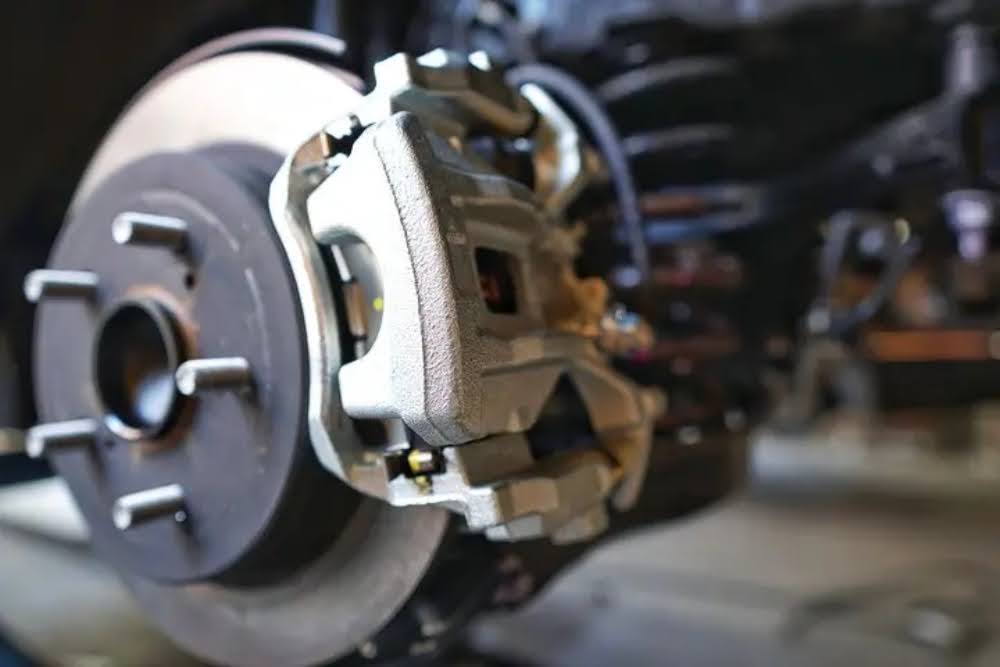
- Caliper and wheel cylinder operation to verify proper piston movement and seal integrity
- Brake line and hose inspection for leaks, cracks, swelling, or corrosion
- Brake fluid condition testing for moisture contamination and proper specification
- Hardware inspection including caliper pins, springs, shims, and anti-rattle clips
- Parking brake function and adjustment verification
This level of comprehensive inspection identifies problems before they become failures. Our approach reflects our core value: the highest level of accurate and quality repairs without compromise.
Service for Working Vehicles and Family Cars
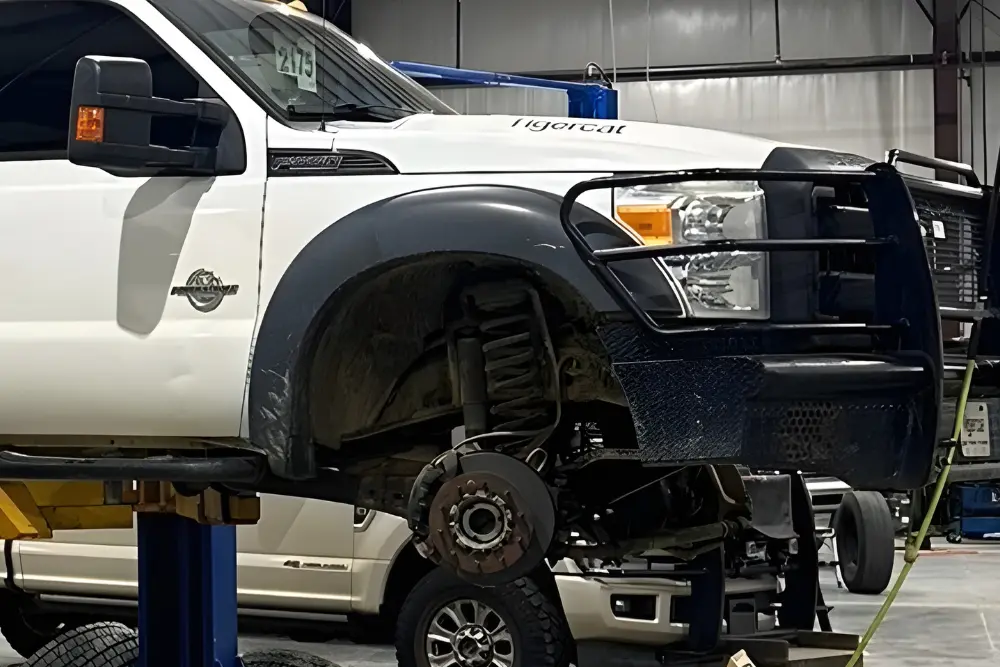
Our facility handles everything from light-duty family vehicles to heavy-duty diesel trucks used by farmers, loggers, and fleet operators throughout Drew County. We understand that brake reliability isn’t just about comfort; it’s about keeping your business running and your family safe.
Whether you’re stopping a loaded F-350 hauling timber near Hamburg or a family SUV navigating Monticello school zones, our brake repair delivers consistent, reliable performance using premium components and precise installation procedures.
Professional Brake Repair Solutions in Monticello, AR
When inspection reveals brake problems, proper repair requires the right parts, tools, and expertise. Cutting corners on brake work creates safety risks and leads to comebacks.
Quality Parts and Proper Installation
We use manufacturer-specified brake components matched to your vehicle’s weight, usage, and braking requirements. Brake pads aren’t universal; different compounds suit different applications. A work truck hauling equipment requires a different pad material than a daily commuter vehicle.
Proper installation includes cleaning and lubricating caliper hardware, ensuring all components meet manufacturer specifications, and bleeding the brake system to remove air and contaminated fluid.
Diagnostic Technology That Finds Root Causes
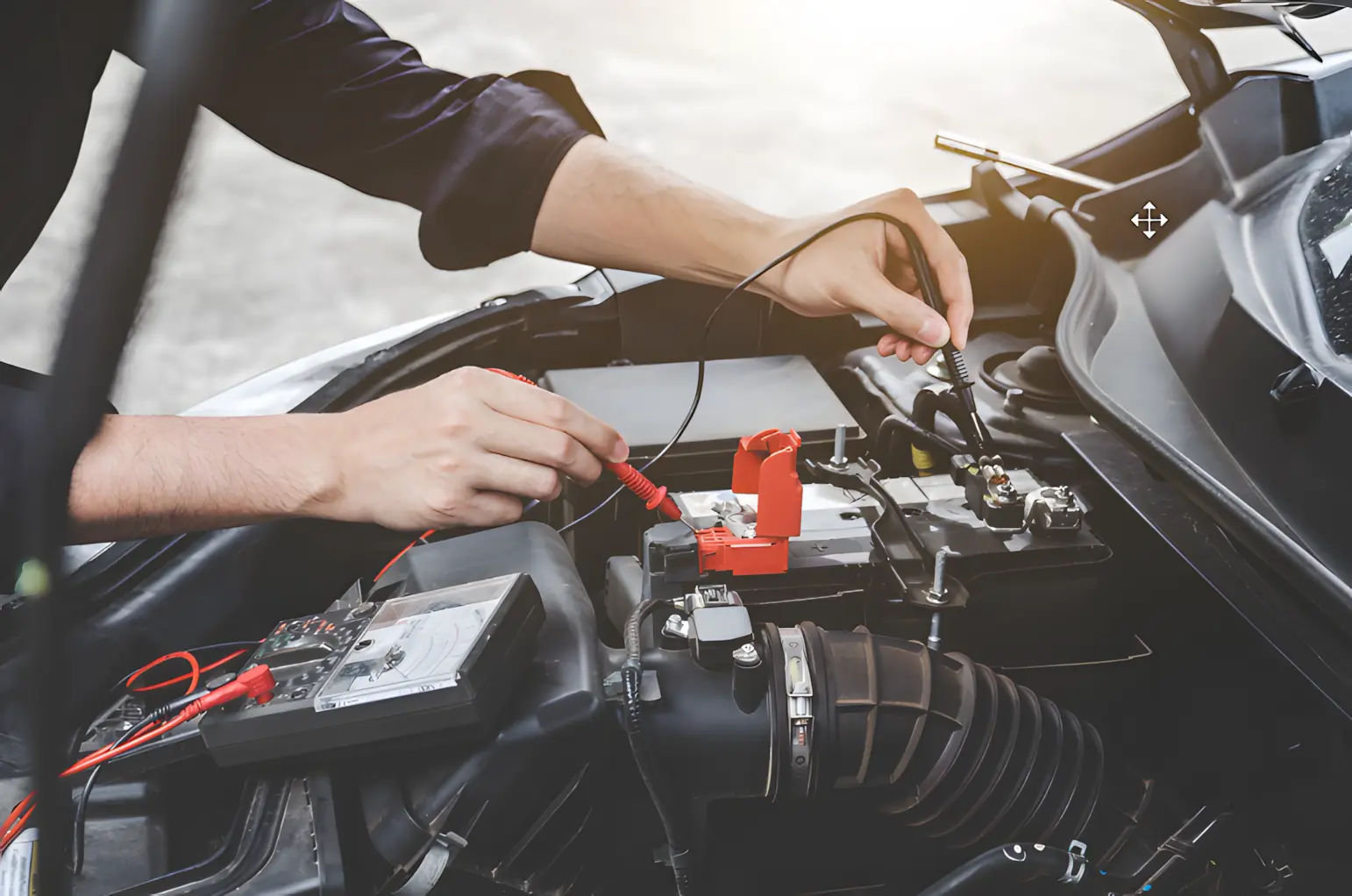
Surface symptoms rarely tell the complete story. A squealing noise might come from worn pads, but it might also indicate seized caliper pins, contaminated pad material, or improperly installed hardware. We use Snap-On diagnostic equipment to measure hydraulic pressure, test brake fluid condition, and analyze ABS and electronic brake system function.
Our diagnostic process reflects over three decades of specialized training and real-world problem-solving. While many shops rely on parts-replacement guesswork, we use clinical measurement and systematic diagnosis to identify root causes. This approach comes from our owner’s extensive technical training and expertise, which leads to invitations for him to teach and speak at national automotive repair events.
This diagnostic technology allows us to identify problems other shops miss. When you bring a working vehicle to us, whether it’s a Cummins-powered Ram 3500 or a Duramax Silverado, we understand that downtime costs money. Accurate diagnosis the first time eliminates guesswork and gets you back on the road.
Preventing Winter Brake Problems Through Maintenance
While cold weather will always stress your brake system, regular maintenance prevents minor wear from becoming major failures.
Annual Brake System Service
Schedule a comprehensive brake inspection at least annually, preferably before winter. This inspection catches worn components, contaminated fluid, and developing issues while they’re still affordable and safe.
For vehicles used in demanding applications, such as commercial fleets, farm equipment transport, or heavy towing, more frequent inspection intervals provide better protection. Our fleet maintenance programs keep business vehicles operating safely and reliably.
Pay Attention to Warning Signs
Don’t ignore brake system warning signs. Unusual noises, changed pedal feel, warning lights, or increased stopping distances all signal problems that worsen with time. Early intervention prevents expensive failures and keeps you safe on South Arkansas roads during unpredictable winter conditions.
FAQs About Winter Brake Problems in Monticello
Why do brake problems show up more in winter?
Cold weather doesn’t cause brake problems; it exposes existing issues like worn pads, contaminated brake fluid, and corroded components that functioned adequately in warmer conditions. Temperature changes, moisture accumulation, and material contraction reveal weaknesses in your braking system that were developing over time.
Can cold temperatures affect brake performance?
Yes, cold temperatures affect brake performance by changing brake fluid viscosity, reducing rubber seal flexibility, and hardening brake pad material. These changes become more noticeable when components are already worn or when brake fluid is contaminated with moisture, resulting in a softer pedal feel and reduced stopping power.
What causes brake noise during colder months?
Brake noise in cold weather typically comes from surface rust on rotors after overnight moisture accumulation, though persistent noise indicates worn brake pads or seized caliper hardware. Light squealing that disappears after a few stops is normal, but grinding or metal-on-metal sounds require immediate inspection.
Is it safe to drive with winter-related brake issues?
No, you should not drive with winter brake problems like soft pedals, increased stopping distance, or persistent grinding noises. What seems like minor cold-weather behavior often indicates dangerous component wear, contaminated brake fluid, or system failures that compromise your ability to stop safely.
Where can I get brake repair near Monticello, AR?
Strokers Diesel Performance & Repair provides comprehensive brake inspection and repair at 101 Doris Lawrence Rd in Monticello, serving Drew County and surrounding South Arkansas communities. Our facility handles brake service for everything from passenger vehicles to heavy-duty diesel trucks using premium diagnostic equipment and quality components.
Schedule Your Brake Inspection in Monticello, AR Today
Winter brake problems reveal what your braking system has been trying to tell you for months. Don’t wait for a dangerous failure to force the issue. Our team at Strokers Diesel Performance & Repair delivers comprehensive brake diagnostics and repair using premium tools and uncompromising quality standards. We serve drivers throughout Monticello, Star City, McGehee, Dumas, Pine Bluff, Lake Village, Hamburg, and all of Drew County with the same level of expertise we bring to fleet and commercial accounts.
Visit us at 101 Doris Lawrence Rd, Monticello, AR 71655, or call 870-224-4626 to schedule your brake inspection. We’re ready to help you drive safely through winter and beyond.