If your vehicle has lane departure warnings, automatic emergency braking, or a backup camera, you have an Advanced Driver Assistance System working behind the scenes. ADAS calibration is the process of realigning those sensors, cameras, and radar systems so they work the way they were designed to. Without it, the very technology meant to keep you safe can give you a false sense of security, and worse, it can fail you when it matters most.
At Strokers Diesel Performance & Repair in Monticello, AR, we perform ADAS calibration as part of a precise, multi-step process that restores your vehicle’s safety systems to factory specifications. Whether you’re searching for “ADAS calibration near me” or wondering if your recent windshield replacement or alignment job requires a calibration check, this post covers what you need to know.
What Is ADAS and Why Does Calibration Matter?
Modern vehicles are loaded with sensors, cameras, and radar units all working together under the ADAS umbrella. These systems include:
- Forward collision warning
- Automatic emergency braking (AEB)
- Lane departure warning and lane-keep assist
- Adaptive cruise control
- Blind-spot monitoring
- Backup cameras and rear cross-traffic alert
- Traffic sign recognition
Each of these systems relies on hardware that must be aimed and calibrated to exact specifications. Think of it like a rifle scope: even a tiny misalignment throws off accuracy at distance. A sensor mounted even a fraction of a degree off its spec can misread lane lines, misjudge following distance, or fail to detect a pedestrian at a critical moment.
Calibration is the process of resetting those sensors back to their precise factory angles and detection ranges. It is not a diagnostic check. It is a precision adjustment that requires the right equipment and verified procedures.
When Is ADAS Calibration Required?
This is one of the most common questions drivers across Drew County and surrounding South Arkansas communities ask, and it is an important one, because most people do not realize how many common repairs trigger a calibration requirement.
ADAS calibration is typically required after:
- Windshield replacement: Forward-facing cameras are mounted to or near the windshield, so replacing the glass disturbs their alignment.
- Wheel alignment service: Changes to vehicle geometry directly affect the angles sensors and radar depend on.
- Suspension repairs or component replacements: Any shift in ride height or steering geometry can throw off sensor positioning.
- Collision or impact damage: Even minor fender benders can shift sensor mounts out of spec.
- Sensor or camera replacement: New hardware must be calibrated to match the vehicle’s system requirements.
- Wheel and tire size changes: Altered rolling diameter affects how the vehicle’s systems calculate speed and distance.
If your shop performed any of the above services and did not mention ADAS calibration, your safety systems may be operating outside their designed tolerances right now.
The Two Types of ADAS Calibration
Not all calibration is the same. There are two methods used in professional settings, and understanding the difference matters if you want the job done right.
Static Calibration
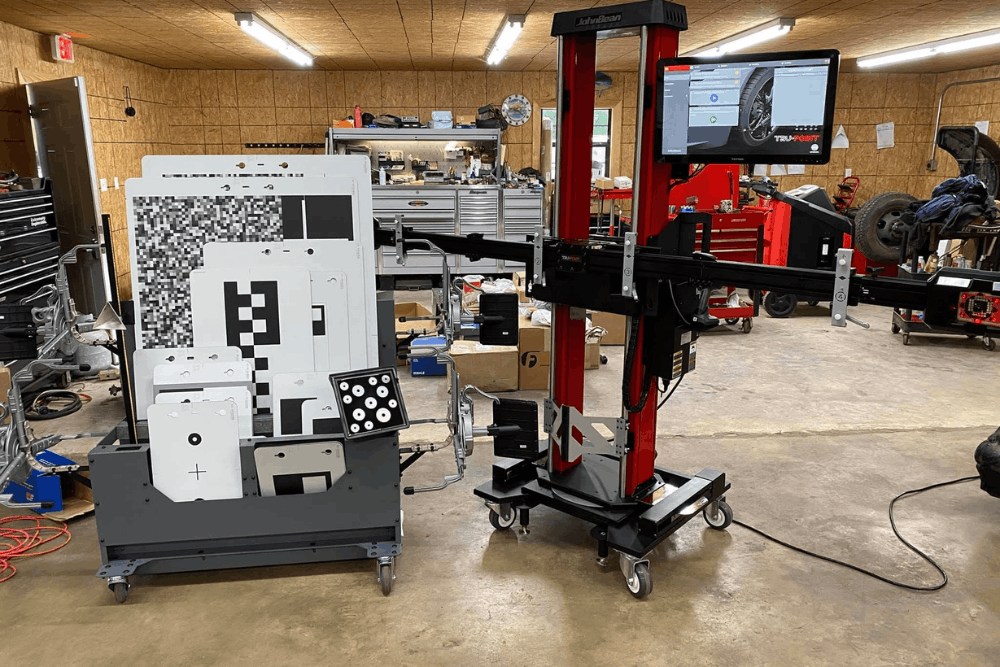
Static calibration is performed with the vehicle parked in a controlled environment. Technicians use targets, patterns, and precise measurement tools positioned at specific distances and angles from the vehicle. The sensors are then adjusted to align with those reference points. This method requires a level floor, controlled lighting, and exact measurements: conditions that cannot be replicated in a standard parking lot or home garage.
Dynamic Calibration
Dynamic calibration is performed while the vehicle is driven at specific speeds under defined conditions. The system learns and resets itself during the drive based on real-world inputs. Some vehicles require a combination of both methods to complete the full calibration process.
Both methods require the correct equipment, software, and technical knowledge. This is not a service that should be assumed complete unless a shop has confirmed the specific calibration procedure your vehicle’s make and model requires.
Is your vehicle’s ADAS calibration up to date after a recent windshield replacement, alignment, or collision repair? Contact Strokers Diesel Performance & Repair at 870-224-4626. We’re located at 101 Doris Lawrence Rd, Monticello, AR 71655.
What Happens When ADAS Goes Uncalibrated in South Arkansas
Here is something most drivers in Monticello, McGehee, Dumas, and Pine Bluff do not hear often enough: uncalibrated ADAS systems do not always trigger a warning light. The system may appear to be functioning normally, displaying no codes and showing no obvious errors, while actually being dangerously miscalibrated.
An uncalibrated forward collision system might not detect a stopped vehicle until it is too late. A lane-keep assist system operating off-angle could steer you toward the very line it was designed to help you avoid. An adaptive cruise control system reading distances incorrectly could close the gap on a vehicle ahead faster than expected.
This is why ADAS calibration is not optional after qualifying repairs. It is a required safety step, not an upsell.
What the ADAS Calibration Process Looks Like at Strokers Diesel Performance & Repair in Monticello, AR
At Strokers Diesel Performance & Repair in Monticello, AR, ADAS calibration follows a structured process rooted in precision and accuracy. Every calibration begins with a full systems scan to establish the current baseline for all sensors and modules. From there, the appropriate calibration method, static, dynamic, or a combination, is determined based on the vehicle’s specific requirements.
Our facility is equipped with the Hunter HawkEye Elite alignment system, which integrates directly into our process for any calibration work that follows wheel alignment or suspension service. When ADAS calibration is part of a larger repair, we ensure each stage is sequenced correctly so that one service does not compromise the results of another.
When calibration is complete, a follow-up scan confirms that all systems are operating within specification before the vehicle leaves our shop.
Why Drivers from Star City to Pine Bluff Trust Strokers Diesel Performance & Repair
There are not many shops in South Arkansas with the tools, space, and technical capability to handle modern ADAS calibration properly. Zeb Beard has been in the automotive repair industry since 1993 and opened Strokers Diesel Performance & Repair in 2005. Customers travel from 100 miles or more because capable, properly equipped shops for this kind of precision work are rare in the region.
What sets the shop apart:
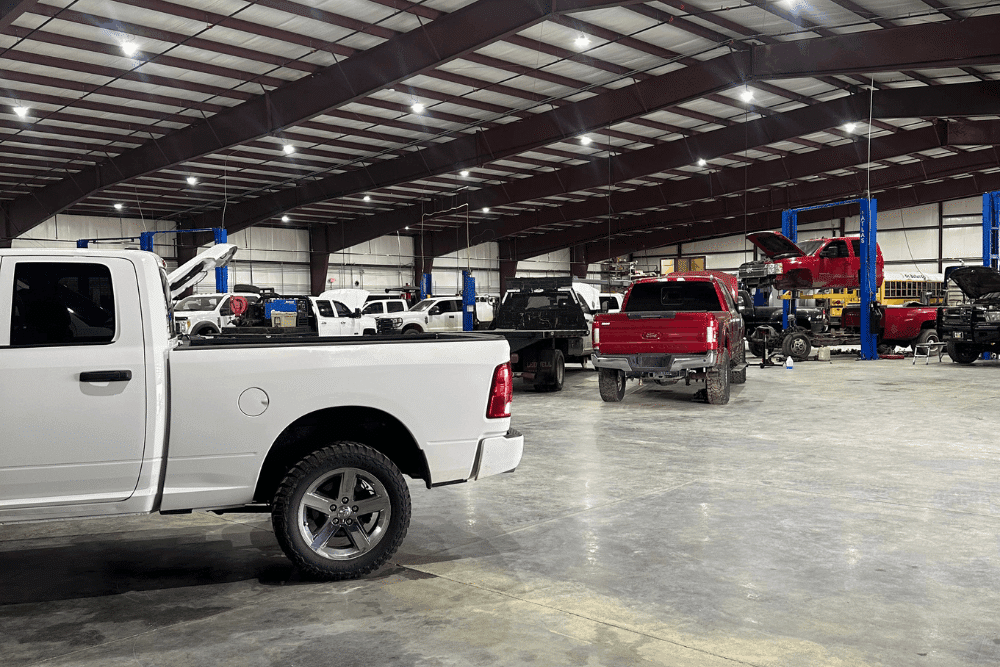
- Massive facility: A large, well-equipped shop designed for technical precision work, not a quick-lube bay setup.
- Hunter HawkEye Elite: Advanced alignment technology that integrates directly with ADAS calibration workflows.
- Snap-On diagnostics: Premium scanning equipment used to verify system performance before and after calibration.
- Industry-recognized expertise: Zeb is regularly invited to teach and speak at major industry events, a level of recognition that reflects the depth of technical knowledge behind every service.
- No shortcuts: The shop’s core value is the highest level of accurate and quality repairs without compromise.
This is not a shop that rushes through safety-critical services. If the calibration requires a controlled environment, precise targets, and a post-calibration verification scan, that is exactly what gets done.
FAQs About ADAS Calibration
What is ADAS calibration?
ADAS calibration is the process of realigning your vehicle’s cameras, sensors, and radar units to their factory-specified positions and detection ranges. It ensures that safety systems like automatic emergency braking, lane-keep assist, and adaptive cruise control function as designed. Calibration is distinct from diagnostics: it does not identify problems, it restores precision.
When is ADAS calibration required?
ADAS calibration is required after windshield replacement, wheel alignment, suspension repairs, collision damage, or any service that changes the vehicle’s geometry or sensor positioning. Even minor adjustments to ride height or sensor placement can throw off system accuracy.
Is ADAS calibration mandatory after repairs?
Yes, in most cases it is. Vehicle manufacturers specify calibration procedures that must be followed after qualifying repairs to restore proper system function. Skipping calibration after these services leaves safety systems operating outside their designed tolerances.
Can ADAS systems be inaccurate without calibration?
Yes, and it may not trigger a warning light. An uncalibrated ADAS system can misread lane lines, misjudge distances, or fail to detect hazards, all without displaying an error code. The vehicle may appear to function normally while the safety system is operating incorrectly.
Where can I get ADAS calibration in Monticello, AR?
Drivers throughout South Arkansas can find professional ADAS calibration in Monticello, AR. The area is served by a shop with the controlled environment, precision tools, and verified procedures that proper calibration requires.
Schedule Your ADAS Calibration Service in Monticello, AR at Strokers Diesel Performance & Repair
Don’t assume your vehicle’s safety systems are still calibrated correctly after a windshield replacement, alignment, suspension repair, or collision-related work done elsewhere. If you’re in Monticello, McGehee, Dumas, Star City, Pine Bluff, or anywhere across Drew County and South Arkansas, Strokers Diesel Performance & Repair has the equipment and expertise to handle your ADAS calibration the right way.
Call 870-224-4626 or visit us at 101 Doris Lawrence Rd, Monticello, AR 71655 to schedule your ADAS calibration service today.